

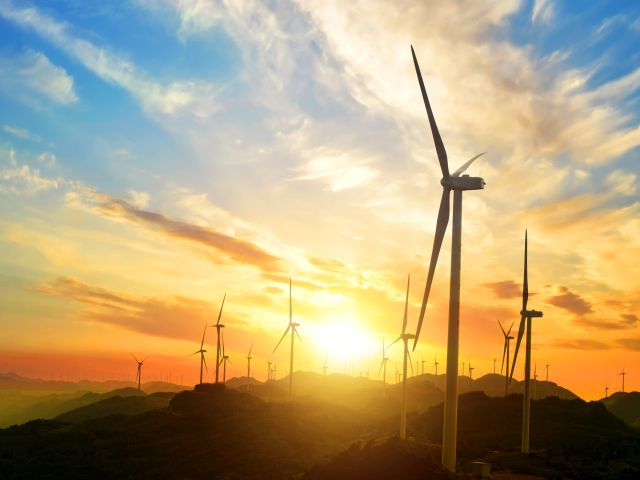
The growth has been driven by improved policy support, better transmission infrastructure, competitive tariff mechanisms and a strong pipeline of projects. Key contributors to the expansion include states such as Gujarat, Karnataka and Maharashtra, supported by increasing deployment of wind-solar hybrid projects. Officials noted that the record addition represents a sharp rise—nearly 46% higher than the previous year’s capacity addition—indicating faster deployment in the sector.
The achievement is expected to play a crucial role in helping India meet its ambitious target of 500 GW of non-fossil fuel-based energy capacity by 2030, while also enhancing energy security and reducing dependence on fossil fuels. Experts believe the surge reflects a broader revival of the wind energy sector, which, after a period of slow growth, is now benefiting from policy clarity and increased investor confidence.
About the Author